- All
- Product Name
- Product Keyword
- Product Model
- Product Summary
- Product Description
- Multi Field Search

Views: 114 Author: Site Editor Publish Time: 2026-02-06 Origin: Site


Do you know how to keep your industrial systems running smoothly? The key lies in using Rubber Expansion Joints. These flexible components absorb vibrations, thermal expansion, and mechanical stress, helping maintain system integrity.
In this article, we will explore the essential benefits of Rubber Expansion Joints, including their role in reducing wear, improving efficiency, and ensuring long-term reliability. Let’s dive into how they can enhance your operational stability.
Rubber expansion joints play a critical role in maintaining the integrity and longevity of industrial systems. They are specifically designed to absorb the stresses caused by thermal expansion, vibrations, and misalignment within piping or HVAC systems. These joints allow pipes to expand or contract naturally due to changes in temperature or mechanical stress, without causing any damage or system failure. In essence, they compensate for the movements that would otherwise strain the system.
● Thermal Expansion: They absorb the movement when pipes expand or contract due to heat changes.
● Vibration Absorption: They prevent vibrations from transferring to sensitive equipment or structures, reducing wear and tear.
● Misalignment Compensation: They adjust to misaligned pipes, ensuring a tight seal and preventing leaks.
Rubber expansion joints are ideal for various applications, from chemical plants to HVAC systems, where they help maintain smooth operation even under extreme pressure or temperature fluctuations.
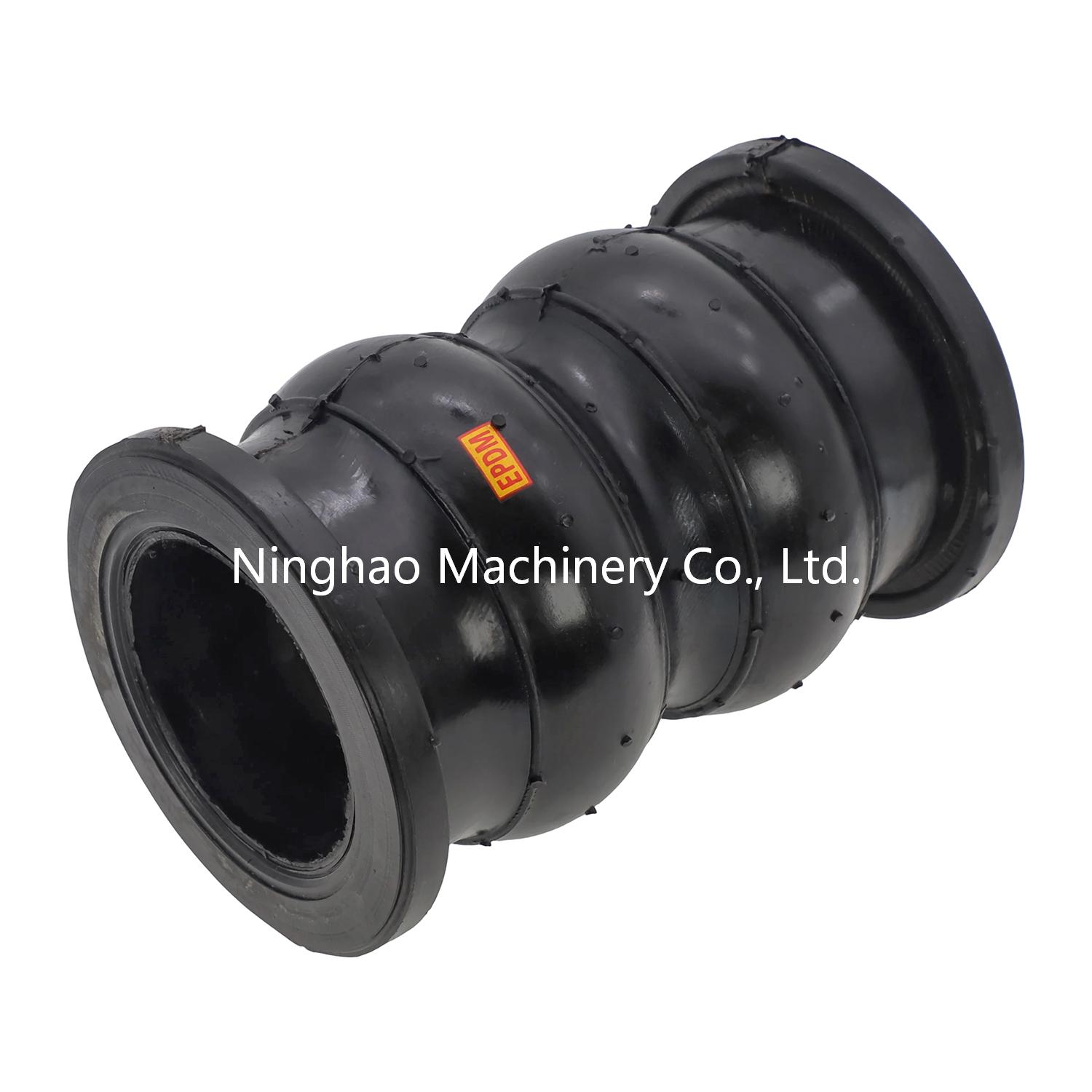
Rubber expansion joints are built to be flexible, yet durable, with the ability to absorb movements and vibrations effectively. When installed in piping systems, they function by flexing and expanding in response to mechanical stress. This flexibility prevents the transfer of mechanical shock to other parts of the system, which could otherwise cause damage over time.
● Flexibility: Rubber expansion joints expand and contract as needed, absorbing the thermal and mechanical stresses that would otherwise impact rigid piping systems.
● Vibration Absorption: These joints act as shock absorbers, preventing vibrations from reaching sensitive components, thus improving the system's overall stability and reducing maintenance costs.
● Stress Relief: The joints help distribute stress evenly across the system, reducing strain on pipes, pumps, and other essential components.
NHFlex, a leading manufacturer of rubber expansion joints, specializes in creating high-performance solutions that cater to a wide variety of industrial needs. Their expansion joints are engineered to handle diverse challenges, from fluctuating temperatures to harsh chemicals, ensuring reliable performance and increased system longevity.
There are several different types of rubber expansion joints designed to meet various operational needs. Each type has unique features that make them suitable for different applications, from low-pressure to high-pressure systems.
Type of Rubber Expansion Joint | Applications | Advantages |
Single Sphere | Low-pressure systems, water pipelines | Cost-effective, flexible, easy to install |
Double Sphere | High-pressure applications, HVAC systems | Greater movement capacity, longer life |
Custom Configurations | Specialized systems, industrial setups | Tailored to specific system needs |
● Single Sphere: These are commonly used in systems that do not experience extreme pressure changes. They are compact and relatively affordable, making them ideal for water pipelines and low-pressure applications.
● Double Sphere: Double-sphere joints are suitable for high-pressure environments where greater flexibility and durability are needed. They are widely used in HVAC systems and industrial piping.
● Custom Configurations: For unique industrial setups, NHFlex provides custom rubber expansion joints designed to meet specific system requirements, including custom sizes and material selections for chemical resistance and extreme temperatures.
NHFlex’s rubber expansion joints are built with high-quality materials like NBR, EPDM, and NR (natural rubber), ensuring they can withstand various fluid types, temperatures, and environmental conditions. The careful selection of these materials plays a crucial role in the longevity and performance of each joint.
Rubber expansion joints play a vital role in accommodating the inevitable thermal expansion, contraction, and mechanical stress that occurs in industrial piping systems. By flexing to absorb these changes, rubber expansion joints prevent pipes from experiencing stress that could lead to cracks, leaks, or premature failure.
● Thermal Expansion & Contraction: In systems subjected to temperature fluctuations, rubber expansion joints allow for safe movement as pipes expand and contract. This flexibility ensures that the system remains intact without putting excessive strain on pipes or fittings.
● Mechanical Stress Relief: Whether due to pressure changes or vibrations from machinery, these joints absorb the mechanical stresses, preventing damage to the overall structure of the system.
Material compatibility is another crucial factor to consider. Depending on the type of fluid, gas, or environmental conditions, the correct rubber material must be selected. NHFlex specializes in offering highly flexible and durable solutions using various rubber compounds like NBR, EPDM, and NR, ensuring performance in even the most demanding conditions.
Types of Materials Used in Rubber Expansion Joints
Material | Best Use Case | Key Feature |
NBR | Oil and gas, petrochemical industries | High resistance to oils and chemicals |
EPDM | Water treatment, HVAC systems | Excellent resistance to heat and ozone |
NR | General industrial use | Cost-effective and durable |
By using materials like these, NHFlex ensures that their rubber expansion joints can handle a wide range of applications, from HVAC systems to chemical processing plants. This flexibility is essential in complex industrial environments, where different systems require joints that can stand up to specific environmental factors.
Rubber expansion joints are designed for durability. Their flexible nature reduces wear and tear on piping systems, ensuring that components last longer. By absorbing vibrations and mechanical loads, these joints effectively distribute stress throughout the system, minimizing the risk of premature breakdowns.
● Reduced Wear & Tear: The shock-absorbing capability of rubber expansion joints helps prevent damage to pipes, pumps, and valves. They effectively distribute the forces from thermal movements and external pressures, extending the lifespan of these critical components.
● Enhanced Reliability: With their durable design, rubber expansion joints can withstand prolonged use in harsh conditions. This reliability is crucial in industries such as power generation and chemical processing, where failure could result in significant downtime and repair costs.
Benefit | Impact on System |
Vibration Absorption | Reduces wear on pipes and supports |
Thermal Stress Relief | Maintains pipe integrity under fluctuating temperatures |
Mechanical Load Distribution | Increases equipment longevity |
For instance, NHFlex’s robust designs ensure long-lasting durability, particularly in environments subject to extreme heat, pressure, or vibrations. Their products are engineered to handle these challenges, ensuring consistent performance and minimal maintenance.
One of the standout benefits of rubber expansion joints is their ability to dampen noise and absorb vibrations. In many industrial systems, excessive noise and vibration can lead to wear on equipment and create an uncomfortable working environment. Rubber expansion joints, with their flexible design, act as effective shock absorbers, reducing vibrations caused by mechanical systems, pumps, and the flow of fluids through pipes.
● Noise Dampening: These joints reduce the sound levels produced by the movement of media and mechanical operations. By absorbing the vibrations, they keep the environment quieter, which is essential in industries like chemical plants, manufacturing, and HVAC systems.
● Vibration Control: Rubber expansion joints help isolate vibrations before they affect the system, preserving the integrity of connected components like pumps, valves, and pipes.
● System Stability: By absorbing mechanical shocks, rubber expansion joints maintain the structural stability of the system. They prevent stress from transferring to sensitive components, ensuring the system runs smoothly and remains damage-free over time.
Benefit | Effect on System | Application |
Noise Reduction | Reduces operational noise, providing a quieter environment | Ideal for manufacturing, HVAC, and chemical plants |
Vibration Dampening | Isolates vibrations, protecting sensitive equipment | Crucial for high-precision systems and machinery |
Structural Integrity | Prevents stress transfer, improving system longevity | Used in pipelines, pumps, and HVAC systems |
At NHFlex, we leverage our expertise in designing high-performance rubber expansion joints to not only reduce operational noise but also enhance the overall stability of your systems. Whether it’s vibrational energy from machinery or thermal fluctuations, our expansion joints are crafted to provide seamless operation and improved durability.
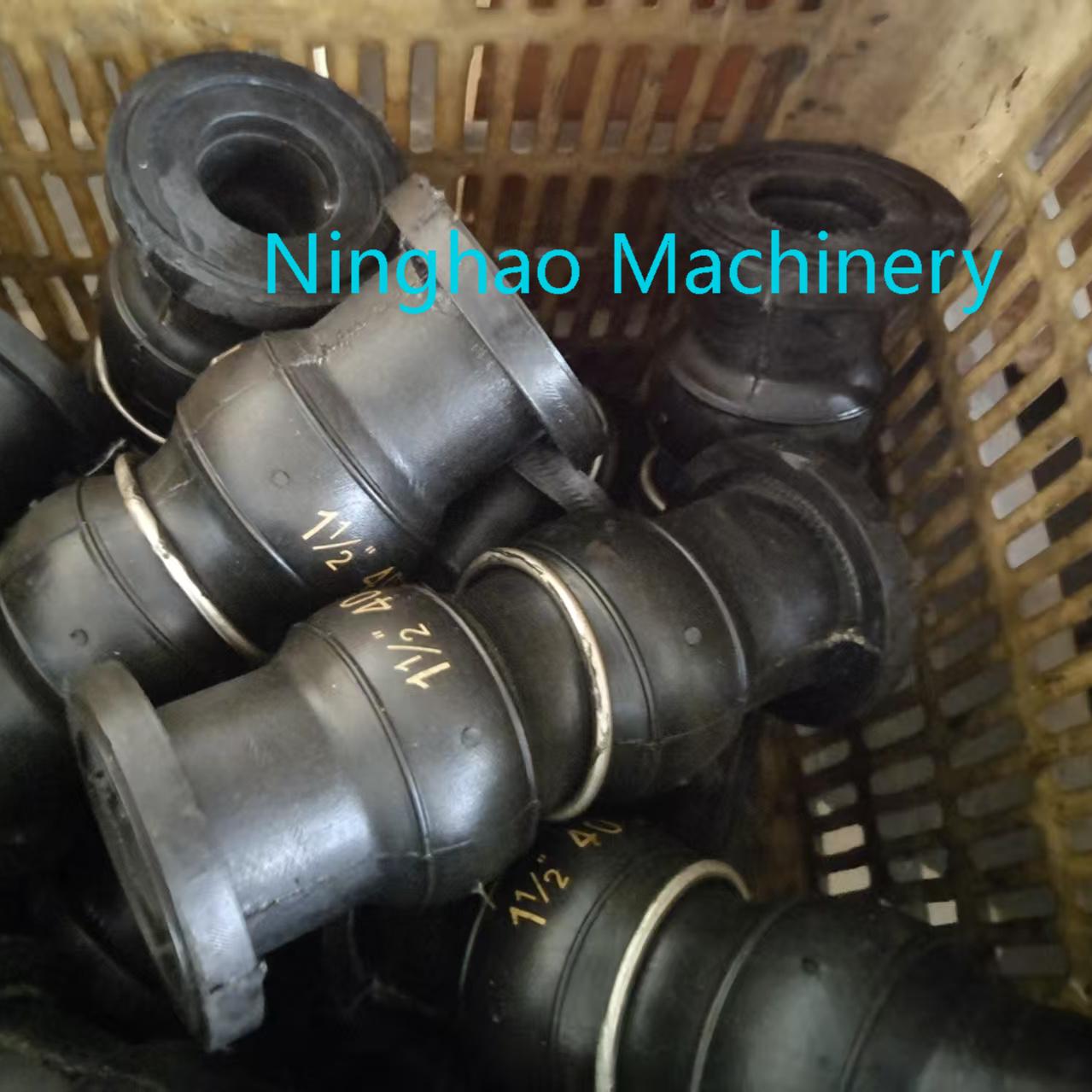
When considering the use of rubber expansion joints, cost-effectiveness is a key consideration for businesses. Rubber expansion joints offer a cost-efficient solution compared to traditional metal alternatives, making them a smart choice for companies looking to minimize initial investments and long-term maintenance expenses.
● Cost Comparison: Rubber expansion joints are generally more affordable than metal counterparts, both in terms of material and installation costs. The flexibility of rubber also reduces the need for extensive modifications, which lowers installation costs significantly.
● Easy Installation: The installation process of rubber expansion joints is simple and straightforward. Their lightweight design eliminates the need for specialized tools, and they can be installed quickly, reducing downtime and ensuring a faster return to operation.
● Space-Saving Design: Unlike bulky metal joints, rubber expansion joints have a compact design that saves space within the piping layout. This is particularly beneficial in systems where space is limited or when integration into existing setups is required.
Benefit | Impact on System | Additional Advantage |
Cost-Effective | Lower upfront and maintenance costs | Suitable for tight budgets and long-term savings |
Simple Installation | Reduced setup time, no need for specialized tools | Faster integration and minimized downtime |
Compact Design | Space-saving, ideal for tight installations | Easier fit in complex or limited space setups |
At NHFlex, we pride ourselves on providing cost-effective solutions that not only meet the highest standards of performance but also reduce operational costs. By choosing our rubber expansion joints, you ensure easy installation, reduced labor costs, and the space efficiency required to optimize your system design. Our products contribute to enhanced performance, with minimal maintenance over time.
Rubber expansion joints are integral components in a wide range of industries, thanks to their flexibility, durability, and ability to withstand various environmental conditions. Here’s how these joints serve different sectors:
● Power Plants: Rubber expansion joints are essential in power plants, especially in cooling systems and steam pipelines, where thermal expansion and vibrations are constant. They absorb these movements, ensuring the integrity of the system and preventing unnecessary stress on the pipes.
● Chemical Industries: In chemical plants, rubber expansion joints are used to manage the aggressive and corrosive effects of chemicals. These joints prevent leaks and ensure smooth fluid flow without compromising safety.
● Oil and Gas Pipelines: Rubber expansion joints are used in pipelines to compensate for shifts caused by temperature fluctuations and thermal expansion, essential in preventing breaks or leaks in highly pressurized systems.
● HVAC Systems: Rubber expansion joints help in maintaining the balance of HVAC systems by absorbing vibrations and accommodating thermal shifts within ducts and pipes.
Rubber expansion joints play a pivotal role in maintaining steady operations by managing the movements within a system. Whether it's due to thermal expansion, vibrations, or misalignment, these joints ensure that systems continue to function optimally.
● Thermal Movement Compensation: Rubber expansion joints provide the flexibility to accommodate thermal changes in pipes, ensuring systems maintain proper alignment even when temperature variations occur.
● Vibration Absorption: These joints reduce the transmission of vibrations from machinery or flowing fluids, which otherwise could damage pipes, valves, or sensitive equipment.
● Stress Distribution: By absorbing thermal and mechanical stresses, rubber expansion joints help spread the load evenly across the system, preventing any one part from experiencing excessive strain.
NHFlex has been serving a wide array of global clients, providing rubber expansion joints that ensure efficient operation across critical infrastructure systems. Their products are designed to manage the various stresses that come with high-pressure and high-temperature environments, ensuring smooth, uninterrupted operations.
Chemical plants are subject to harsh environments where corrosive chemicals, temperature extremes, and mechanical stresses put significant pressure on piping systems. Rubber expansion joints are essential in managing these challenges.
● Vibration Dampening: In chemical plants, rubber expansion joints prevent vibrations from causing damage to pipes and other equipment. By absorbing these vibrations, they ensure the structural integrity of the entire system.
● Corrosion Resistance: Rubber expansion joints, made with materials like EPDM or NBR, offer chemical resistance that ensures they can withstand exposure to aggressive substances without breaking down.
● Temperature Fluctuations: Chemical plants often deal with extreme temperature changes. Rubber expansion joints help maintain the proper flow of chemicals, even when the system expands or contracts due to heat.
Rubber expansion joints are engineered to withstand a wide range of environmental factors that could otherwise shorten the lifespan of standard industrial components. These factors include UV exposure, ozone degradation, and temperature extremes.
● UV Exposure: Rubber expansion joints used outdoors or in direct sunlight must be resistant to UV rays that can cause degradation over time. The special compounds in NHFlex’s joints are formulated to resist these effects, ensuring they perform reliably.
● Ozone Degradation: Ozone is highly reactive and can cause rubber components to deteriorate. NHFlex’s expansion joints are made with materials resistant to ozone degradation, ensuring long-term performance even in challenging environments.
● Temperature Extremes: Rubber expansion joints are designed to withstand a wide range of temperatures. From extreme cold to high heat, these joints maintain their flexibility and sealing capabilities without cracking or losing effectiveness.
Environmental Factor | Impact on Rubber Components | NHFlex Solution |
UV Exposure | Can cause rubber to crack and degrade | UV-resistant compounds ensure long-term durability |
Ozone Degradation | Rubber components break down over time | Materials designed to resist ozone effects |
Temperature Extremes | Loss of flexibility or cracking under heat | Specialized rubbers for high and low-temperature resilience |
Choosing the right rubber materials is crucial for ensuring that expansion joints perform well under harsh conditions. NHFlex uses high-quality materials such as NBR, EPDM, and NR, each of which is carefully selected for its ability to resist specific environmental factors.
● NBR (Nitrile Rubber): Best for oil and gas pipelines, NBR resists oil and petroleum-based fluids.
● EPDM (Ethylene Propylene Diene Monomer): Ideal for water treatment and HVAC systems, EPDM is resistant to ozone, UV rays, and extreme temperatures.
● NR (Natural Rubber): Cost-effective and durable, used in general industrial applications where flexibility and resilience are required.
Rubber Expansion Joints are a vital part of many industrial systems. They absorb thermal and mechanical stresses, reducing wear and improving system longevity. NHFlex offers durable, cost-effective solutions, ensuring reliable performance across industries. With their high-quality designs, Rubber Expansion Joints help optimize operations and reduce downtime.
A: Rubber Expansion Joints are flexible components used in industrial systems to absorb thermal expansion, vibrations, and mechanical stress, ensuring smooth and uninterrupted flow in piping systems.
A: Rubber Expansion Joints work by flexing to accommodate pipe movement caused by temperature changes or mechanical stress, absorbing vibrations and preventing damage to the system.
A: Rubber Expansion Joints are crucial for maintaining system integrity, reducing wear, and ensuring long-term reliability by absorbing thermal and mechanical stress in various industries.
A: The cost of Rubber Expansion Joints varies based on size, material, and application. They are generally more affordable than metal alternatives and offer long-term savings by reducing maintenance costs.
A: Yes, Rubber Expansion Joints are ideal for chemical plants as they offer chemical resistance and flexibility, helping prevent leaks and damage in systems exposed to harsh chemicals.