- All
- Product Name
- Product Keyword
- Product Model
- Product Summary
- Product Description
- Multi Field Search

Views: 165 Author: Site Editor Publish Time: 2026-08-13 Origin: Site


Structure-borne noise presents a persistent challenge in commercial mechanical rooms. Mechanical vibration in high-pressure water systems is equally problematic. Unmitigated pump-induced vibration accelerates system fatigue rapidly. It also creates unacceptable acoustic levels in occupied spaces. Rigid piping networks require a highly effective isolation barrier. This barrier must separate dynamic mechanical equipment like pumps and chillers from rigid infrastructure. A rubber pipe connector serves exactly this critical purpose. Elastomeric expansion joints break the structural transmission path efficiently. They isolate motion and dampen disruptive frequencies.
We designed this article to provide you an objective evaluation framework. Engineers, facility managers, and procurement teams will find immense value here. You will learn how to specify and source these components correctly. We will explore material selection, implementation realities, and acoustic isolation mechanics. Understanding these variables ensures superior vibration and noise control.
Acoustic Superiority: Rubber provides distinct acoustic impedance compared to metal, effectively absorbing high-frequency mechanical noise and low-frequency pump vibrations.
Material Selection Matters: The choice between EPDM, Neoprene, and Nitrile dictates the connector’s thermal and chemical limits in water systems.
Installation dictates Lifespan: Misalignment and the absence of control rods are the primary causes of premature connector failure.
OEM Capability: Specifying an OEM rubber pipe connector ensures precise dimensional tolerances and compounding tailored to exact system pressures.
Rigid piping acts as a highly efficient acoustic transmitter. Vibrations from hydronic pumps travel unimpeded through hard-piped infrastructure. Compressors and fluid turbulence also send kinetic energy downstream. Solid metal pipe walls carry these mechanical frequencies over long distances. They transmit sound directly into building support structures. The resulting noise pollution degrades the quality of occupied spaces heavily. Engineers must address this transmission at the source.
We use elastomeric barriers to disrupt this problematic sound path. An elastomeric joint creates an immediate acoustic impedance mismatch. Sound waves struggle to cross from rigid steel into flexible rubber. The sudden shift in material density absorbs kinetic energy effectively. It stops mechanical vibrations before they reach structural hangers. The rubber matrix flexes microscopically to dissipate acoustic power as trace heat.
You must define what makes an intervention successful before installation. Engineers do not rely on subjective listening tests alone. They rely on quantifiable acoustic and mechanical metrics. A successful installation meets several strict technical criteria. Consider these primary markers of a successful vibration isolation project:
Decibel Reduction: You achieve a measurable decibel drop in adjacent rooms.
Fatigue Prevention: You observe a severe reduction in pipe fatigue and micro-cracking.
Code Compliance: The system ensures full compliance with local building acoustic standards.
Equipment Isolation: Dynamic pump motion remains entirely contained within the mechanical room.
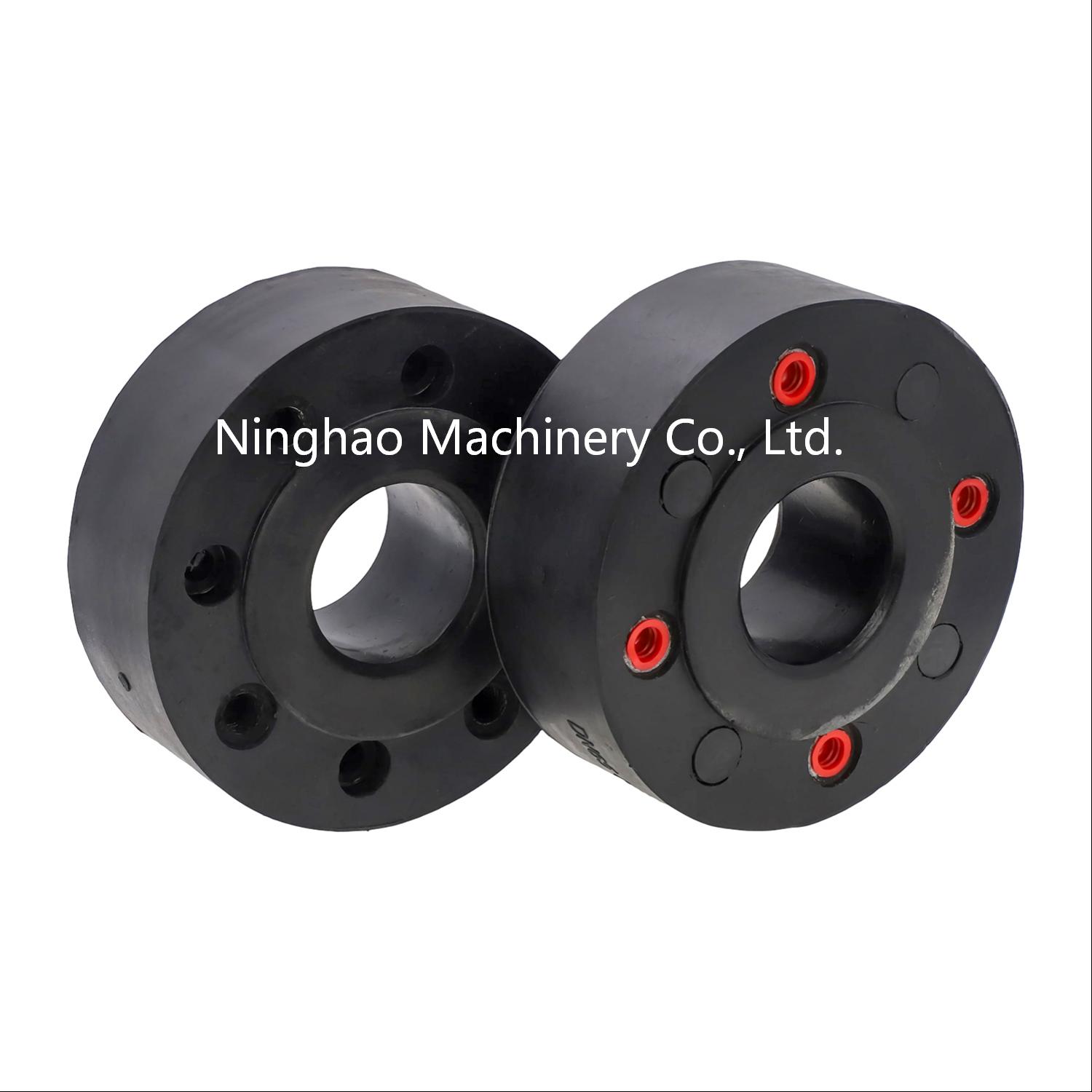
Engineers often debate the rubber metal pipe connector options during system design. Evaluating these materials objectively reveals distinct acoustic differences. Each material behaves uniquely under dynamic mechanical loads. Making the wrong choice compromises building acoustics permanently.
Stainless steel braided hoses handle high heat brilliantly. They survive extreme pressure spikes exceptionally well. However, they act as direct sound conduits in fluid systems. Metal meshes do not inherently dampen structure-borne noise. They simply flex while transmitting acoustic energy directly downstream. The steel construction shares the same acoustic impedance as the attached piping. Because densities match, sound waves pass through the braided hose without resistance. Metal connectors fail when noise reduction is your primary design goal.
Rubber excels precisely where metal fails. Guidelines from the Fluid Sealing Association highlight the inherent strength of elastomers. Rubber naturally absorbs multi-directional movement simultaneously. It handles axial, lateral, and angular shifts easily. At the same time, it acts as a dense sound deadener. The elastomeric walls literally consume the mechanical frequencies. Rubber separates the vibrating equipment from the static piping network mechanically and acoustically.
We must acknowledge material limitations honestly to maintain engineering integrity. Rubber features lower absolute temperature thresholds compared to metal hoses. If you pump superheated steam, metal remains structurally necessary. You choose rubber for chilled water, condenser water, and standard hydronic heating loops. Rubber also has strict chemical compatibility limits. This transparent assumption defines the specific operating window where rubber represents the optimal acoustic choice.
Specification criteria shift significantly based on fluid media. A standard water pipe rubber joint faces different demands than an HVAC rubber connector. Domestic water networks often require strict potable certifications. HVAC environments rely heavily on extreme temperature cycling endurance. You must match the elastomer to the exact application.
Elastomer profiling determines long-term chemical and thermal success. EPDM handles chilled and hot water applications perfectly. It dominates the HVAC sector due to excellent ozone and weathering resistance. However, EPDM degrades quickly if exposed to petroleum. Neoprene or Nitrile becomes strictly required if oils exist in the fluid media. Engineers specify Nitrile when managing specialized chemical treatments or petroleum-laced wastewater.
Structural designs directly translate to specific performance outcomes. Single sphere designs provide excellent vibration isolation in compact spaces. Double sphere models offer much greater movement allowance. They also provide higher acoustic dampening capabilities. However, double sphere joints require larger installation footprints. Flanged connections scale perfectly for heavy industrial and commercial pipelines. Threaded unions serve residential or light commercial applications better.
Performance metrics demand rigorous verification before final specification. Never guess system parameters. Always verify baseline burst pressure ratings against your pump dead-head pressure. Check vacuum ratings if the joint sits on the suction side of a large pump. Temperature tolerances must exceed the maximum potential spike of the fluid system.
Elastomer Type | Primary Application | Key Strength | Major Limitation |
|---|---|---|---|
EPDM | HVAC & Hydronic Water | Excellent thermal and ozone resistance | Poor resistance to petroleum oils |
Nitrile (Buna-N) | Industrial Wastewater | Superior oil and solvent resistance | Lower maximum temperature limits |
Neoprene | General Purpose Water | Good balance of chemical and weather resistance | Moderate flexibility at extreme low temps |
Engineering reality often clashes with theoretical design. A rubber connector cannot fix inherently poor piping design. You cannot use it as a mechanical band-aid. Skeptical engineers rightfully point out many installation failures. However, these failures almost always stem from poor execution rather than material defects. Proper implementation requires rigid adherence to installation protocols.
The misalignment myth destroys many elastomeric joints prematurely. Many contractors attempt to use flexible joints to bridge misaligned rigid pipes. This practice causes immediate pre-stress inside the rubber matrix. It leads directly to early rupture and catastrophic leaks. You must align the piping perfectly before tightening the flange bolts. The connector exists to absorb dynamic operation limits, not static installation errors.
Anchoring and control rods represent critical safety requirements. You must install proper pipe anchors directly downstream of the joint. Unanchored systems shift dynamically under pressure. Control limit rods prevent the connector from over-extending during severe pressure surges. They are absolutely non-negotiable for unanchored piping systems. Skipping control rods usually results in the sphere stretching beyond its physical yield point.
Maintenance realities dictate careful facility management over time. Elastomers naturally degrade over years of continuous service. Expect a standard 7 to 10 year lifespan. This timeline depends heavily on thermal cycling severity. Establish rigid visual inspection protocols for your maintenance teams. Instruct them to look for surface cracking, blistering, or weeping at the flange base. Replace aging units immediately once they show advanced external wear.
Scalability requires capable manufacturing partners. Partnering with a dedicated OEM rubber pipe connector manufacturer unlocks critical engineering flexibility. Commercial projects often require non-standard face-to-face lengths. They may need specialized flange drillings for imported equipment. OEMs can also supply proprietary elastomer blends designed for unique fluid chemistries. Off-the-shelf distributors simply cannot accommodate these specialized technical demands.
You must evaluate suppliers thoroughly before finalizing procurement. A rigorous checklist prevents low-quality components from entering your critical infrastructure. Use these specific evaluation dimensions when interviewing potential manufacturing partners:
Testing and QA Capabilities: Look for strict in-house hydrostatic burst testing. Demand full material traceability documents for the elastomer batches.
Regulatory Compliance: Ensure their EPDM joints meet relevant water safety standards. Potable water systems require NSF/ANSI certifications unconditionally.
Engineering Support: Ask if they offer pre-installation vibration analysis. They should help you specify control rods correctly based on your exact system pressure.
Dimensional Precision: Verify their molding tolerances. Precision molding prevents flange leaks and ensures even compression across the sealing face.
Specifying the correct elastomeric joint balances acoustic demands with strict material science. Rubber components outperform metal in structural noise reduction significantly. Success requires choosing the correct elastomer profile for your fluid media. It also demands absolute discipline during physical installation. Perfect alignment and proper anchoring remain mandatory for long-term survival.
Take immediate action to improve your mechanical systems. Audit your current mechanical room noise levels this week. Review your existing pump piping trim for signs of stress or misalignment. Consult with a qualified OEM manufacturer to specify the proper isolation joints for your next upgrade. Proactive replacement prevents catastrophic system failures.
A: No. They eliminate structure-borne noise transmitted through the solid pipe wall. This prevents vibrations from traveling into the building frame. However, air-borne noise radiating directly from the pump motor will still exist. You will require separate acoustical enclosures or room baffling to manage air-borne sound waves.
A: They are strongly recommended for any unanchored piping system. Systems subject to frequent pressure spikes or surges also require them unconditionally. Control rods prevent the elastomeric joint from over-elongating. Over-extension remains a leading cause of catastrophic blowout failures in commercial pump rooms.
A: You can expect 7 to 10 years under normal operating parameters. However, extreme thermal cycling, prolonged UV exposure, or unexpected chemical degradation can shorten this lifespan significantly. Regular visual inspections are mandatory to identify surface cracking or blistering before a rupture occurs.