- All
- Product Name
- Product Keyword
- Product Model
- Product Summary
- Product Description
- Multi Field Search

Views: 146 Author: Site Editor Publish Time: 2026-09-09 Origin: Site


Industrial piping systems handling aggressive media require expansion joints to absorb movement and vibration. These parts must not degrade, swell, or rupture under severe stress. Standard materials simply fail in extreme chemical environments. You need highly resilient components to keep your critical operations running safely.
While standard elastomers suffice for water or mild HVAC applications, harsh chemical processing demands specialized materials. High-heat environments quickly destroy basic rubber compounds. Relying on generic solutions in aggressive scenarios invites catastrophic leaks. Unplanned downtime directly harms your operational budget. System designers must carefully evaluate advanced polymer options to guarantee long-term piping integrity.
This guide breaks down the technical and financial thresholds. These factors justify specifying a Viton rubber expansion joint over generic alternatives. We help engineering and procurement teams make evidence-based specification decisions. You will learn exactly when this premium material delivers the necessary performance.
Brand vs. Compound: Viton™ is a specific, premium brand of FKM (fluoroelastomer) owned by Chemours, offering verified performance consistencies that generic FKMs may lack.
Optimal Use Cases: Ideal for environments involving aliphatic and aromatic hydrocarbons, concentrated acids, and continuous operating temperatures up to 400°F (204°C).
Primary Limitations: Not recommended for applications involving ketones, amines, low molecular weight esters, or prolonged exposure to high-pressure steam.
ROI Justification: High initial procurement costs are offset by significantly reduced downtime, extended maintenance intervals, and mitigated leakage risks in mission-critical applications.
Engineers often confuse general fluoroelastomers and genuine branded materials. You must understand these differences to ensure proper piping system reliability. Material consistency dictates how well your joint survives harsh industrial conditions.
FKM serves as the ASTM standard generic term for all fluoroelastomers. It defines a broad category of synthetic rubbers based on fluorocarbon chemistry. Viton™ is a proprietary brand owned by Chemours. It represents the highest quality tier within the FKM family. Many global manufacturers produce generic FKM. Their quality control processes vary wildly. Some generic compounds contain fewer fluorine atoms. This reduces their chemical resistance significantly. Genuine Viton provides verified performance consistencies. You always know exactly what polymer structure you receive.
Procurement teams must specify "100% Virgin Viton" during the purchasing phase. Some overseas suppliers blend generic FKM rubbers. They mix them alongside cheaper hydrocarbon elastomers to reduce manufacturing costs. These blended materials look identical to premium fluoroelastomers. However, they fail prematurely under intense chemical stress. The cheaper base rubbers swell and blister upon contact. You must require complete material test reports. Ask your supplier for detailed Certificates of Conformance. This documentation proves you received unadulterated polymer.
Viton is not a single, monolithic material. Chemours formulates several distinct grades. You must choose the exact grade to match your specific chemical profile.
Here are the primary distinctions:
Viton A: Contains 66% fluorine. It acts as the excellent general-purpose grade for standard industrial applications.
Viton B: Contains 68% fluorine. It offers superior resistance against aggressive acids and challenging chemical mixtures.
Viton F: Contains 70% fluorine. We recommend this for highly oxygenated fuels and concentrated acidic solvents.
Higher fluorine content increases chemical resistance. However, it also reduces low-temperature flexibility. You must balance these traits carefully.
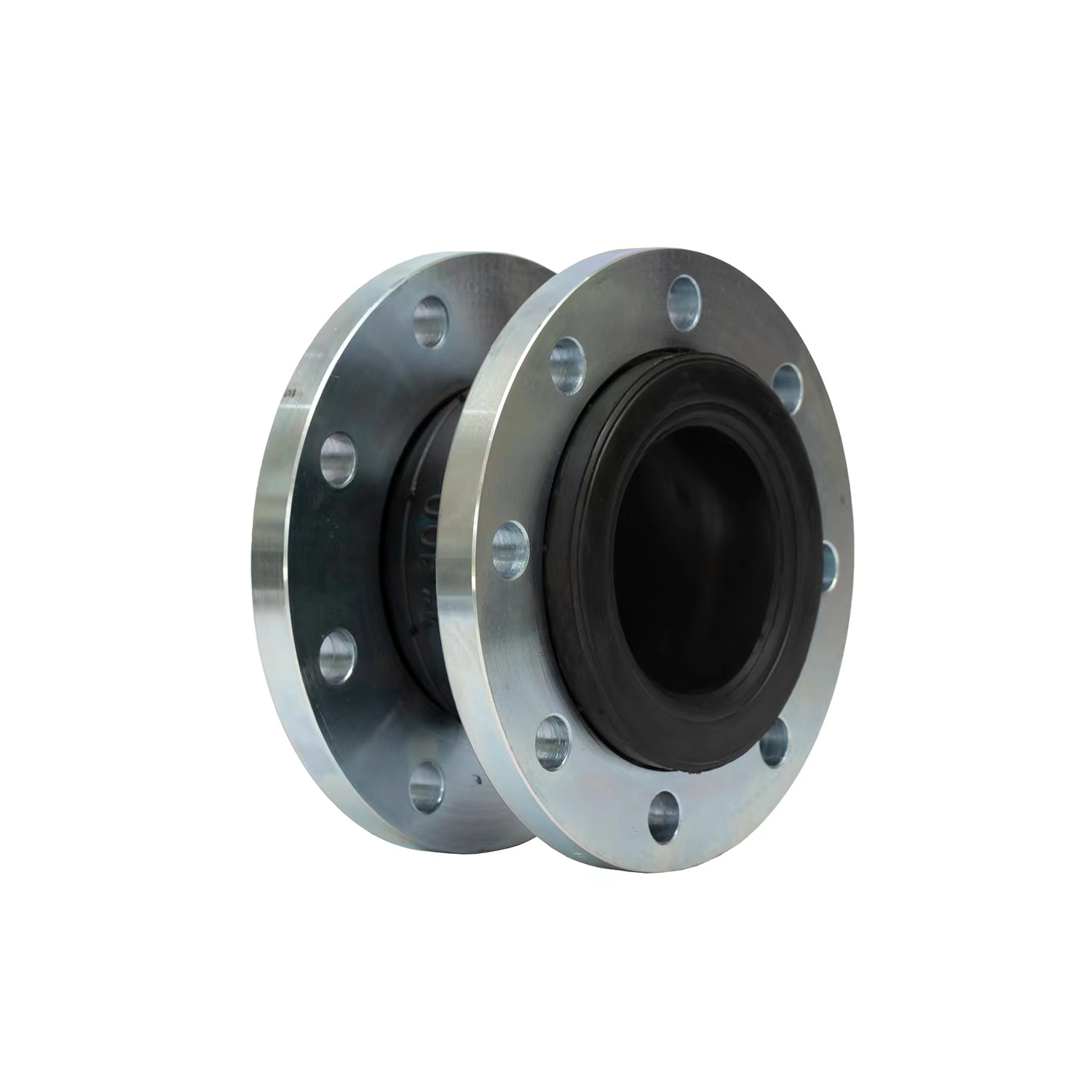
Selecting the right material requires rigorous engineering analysis. You must evaluate the fluid media, the thermal environment, and the mechanical stresses. A well-specified chemical-resistant expansion joint prevents catastrophic plant shutdowns.
This premium fluoroelastomer excels in highly specific fluid environments. It handles concentrated petroleum oils effortlessly. It resists severe mineral acids like sulfuric acid and hydrochloric acid. Halogenated hydrocarbons do not degrade its polymer structure. The material survives continuous exposure to these aggressive fluids without swelling.
However, it has strict chemical incompatibilities. It faces hard-stop limitations in several common environments. You must never use it for continuous high-pressure steam. Hot water above 212°F (100°C) breaks down the chemical bonds. It also fails instantly when exposed to polar solvents. Acetone, methyl ethyl ketone (MEK), and ethyl acetate will dissolve the rubber quickly. Always consult a verified compatibility chart before installation.
Temperature extremes destroy standard rubber rapidly. This polymer maintains exceptional elasticity at extremely high temperatures. It operates continuously up to 400°F (204°C). It can even survive short thermal spikes up to 600°F (315°C). Standard EPDM or Neoprene would melt or harden in these conditions.
Conversely, it demonstrates relatively poor low-temperature flexibility. Standard grades become very brittle below -4°F (-20°C). The material loses its ability to absorb vibration at these freezing temperatures. Specialty low-temp grades exist, but they cost significantly more. You must verify your ambient winter temperatures before specifying this material for outdoor pipelines.
Piping systems generate intense kinetic energy. Pumps create continuous vibrations. Rigid metal joints often crack under this relentless shaking. Rubber joints absorb this energy perfectly. They dampen pump noise and protect downstream instrumentation.
This specific fluoroelastomer exhibits excellent compression set resistance. When you bolt the flanges together, the rubber compresses. It remembers its original shape over time. This memory maintains a completely tight seal for years. The tensile strength typically ranges between 10 to 15 MPa. It withstands substantial internal line pressure while remaining highly flexible.
Thermal and Mechanical Operating Limits
Performance Dimension | Standard Elastomer (EPDM) | Premium Fluoroelastomer (Viton A) |
|---|---|---|
Max Continuous Temperature | 250°F (121°C) | 400°F (204°C) |
Low Temperature Limit | -40°F (-40°C) | -4°F (-20°C) |
Petroleum Oil Resistance | Poor (Rapid Swelling) | Excellent (No Degradation) |
Compression Set Resistance | Good | Outstanding |
Engineers face constant budgetary pressures. Upfront procurement costs heavily influence material selection. However, evaluating the total operational lifespan provides a more accurate financial picture.
Generic rubbers cost significantly less during initial procurement. EPDM, Neoprene, and Nitrile dominate basic water and air applications. But harsh industrial chemicals destroy them in weeks. Petroleum oils swell EPDM immediately. Concentrated acids blister Neoprene rapidly. Nitrile hardens and cracks under intense thermal stress.
You might purchase a standard rubber expansion joint to save upfront budget. You will likely replace it a month later. The premium fluoroelastomer commands a high initial price. It often costs three to four times more than EPDM. Yet, it prevents rapid degradation in oil and acid environments. It survives for years where standard rubbers fail in weeks. This vastly extended lifespan justifies the premium cost.
PTFE offers near-universal chemical resistance. It handles ketones and polar solvents much better than fluoroelastomers. However, PTFE acts more like a rigid plastic than a flexible rubber. It lacks true elastomeric memory. When you compress PTFE, it often stays permanently deformed.
Fluoroelastomers provide superior physical flexibility. They bend easily to accommodate misaligned piping setups. They absorb complex multi-directional movements. Installers prefer them because they fit effortlessly into tight, imperfect spaces. We must weigh flexibility against universal chemical resistance. You choose PTFE for extreme solvents. You choose the premium fluoroelastomer for high vibration and moderate-to-severe chemicals.
Material Performance Comparison Chart
Material Type | Flexibility & Memory | Chemical Resistance Profile | Relative Cost Level |
|---|---|---|---|
Standard EPDM | High | Water, mild caustics (Fails in oil) | Low |
PTFE Lined | Low (Rigid) | Universal (Handles nearly all solvents) | High |
Genuine Viton | High | Acids, oils, hydrocarbons (Fails in steam) | High |
Certain industries push their equipment to the absolute breaking point. These environments require materials engineered for extreme survival. A properly specified Viton piping expansion joint protects critical infrastructure across several heavy sectors.
Petrochemical Refineries: Refineries manage severe thermal expansion in long pipelines. These lines carry crude oil, aviation fuels, and highly corrosive chemical byproducts. Standard rubber degrades in crude oil. The fluoroelastomer absorbs the pipeline growth while fully resisting the hydrocarbons.
Chemical Manufacturing Facilities: Acid transfer lines vibrate violently due to massive high-pressure pumps. These lines move 98% concentrated sulfuric acid and aggressive agricultural solvents. The joints absorb the kinetic pump vibration perfectly. They prevent the acid from eroding the pipe flanges.
Power Generation & Flue Gas Desulfurization (FGD): Coal and gas plants produce hot, corrosive exhaust gases. The scrubber fluids contain heavy acids and abrasive slurries. Standard elastomers melt or dissolve in FGD scrubber environments. The premium fluoroelastomer handles the hot corrosive gases continuously without cracking.
Purchasing the right material only solves half the problem. Installation errors and supply chain mistakes ruin perfect engineering designs. You must navigate several critical blind spots to ensure system success.
The global industrial market suffers from unbranded, low-quality materials. Some manufacturers use a thin fluoroelastomer veneer over a cheap neoprene core. This hybrid joint looks identical to a solid premium joint. Once the acid eats through the thin veneer, the neoprene core fails catastrophically. You must verify Material Data Sheets (MDS). Always require rigorous Certificates of Conformance. This ensures you receive a solid, unblended product.
The rubber component only represents one part of the assembly. You must ensure the backing rings and flange materials match the chemical resistance profile. Using a premium chemical-resistant rubber alongside cheap carbon steel flanges invites disaster. Acid will simply eat the steel backing rings. You must specify appropriate mating metals. 316 Stainless Steel handles moderate corrosion well. Hastelloy or Monel flanges suit severe acidic environments perfectly.
Standard EPDM and Nitrile joints sit on warehouse shelves globally. You can procure them overnight. Specialized fluoroelastomer grades require custom manufacturing. Facilities do not stock Viton B or Viton F joints in large quantities. You must factor longer procurement cycles into your project timeline. Plan your maintenance schedules months in advance.
Best Practice: Always torque flange bolts in a strict, alternating star pattern. This ensures even compression across the entire sealing face.
Best Practice: Retorque all bolts after 24 hours of operational thermal cycling.
Common Mistake: Applying petroleum-based grease to the flange face during installation. This can cause the joint to slip out from between the flanges under pressure.
Common Mistake: Using the joint to correct severe pipe misalignment beyond the manufacturer's published structural allowances.
A premium fluoroelastomer joint acts as a strict insurance policy for high-heat, high-corrosion systems. It is rarely the right choice for general-purpose water applications. However, it remains absolutely indispensable when facing concentrated acids, heavy petroleum oils, and 400°F continuous temperatures.
Engineers must carefully cross-reference their exact chemical concentrations. You must plot your operating temperatures against a verified Chemours compatibility chart. Never guess when dealing with aggressive solvents. Verify your specific grade requirements before finalizing any procurement documents.
Promptly review your current piping infrastructure. Submit your system parameters, including exact temperatures, internal pressures, and specific fluid media, to a qualified manufacturer. Request a custom engineering review to ensure your facility remains safe, compliant, and leak-free.
A: No. Standard fluoroelastomers perform poorly in steam and high-pressure hot water environments. Steam breaks down the polymer chains, causing the material to harden, crack, and fail prematurely. For pure steam applications, engineers typically specify high-grade EPDM or specialized PTFE-lined expansion joints.
A: Life expectancy ties directly to your operational parameters. Within normal design limits, it can easily last 10 to 15 years. However, pumping highly aggressive media at extreme pressures near the 400°F maximum temperature rating will significantly shorten this lifespan to just a few years.
A: The high cost stems from complex fluorine-based chemistry. Manufacturing the raw polymer requires expensive raw materials and highly controlled, energy-intensive curing processes like bisphenol or peroxide curing. This intensive manufacturing delivers unparalleled chemical resistance, justifying the premium price tag.
A: No. While all Viton is classified as FKM, not all FKM is genuine Viton. Generic FKM comes from various global suppliers with inconsistent quality controls. Unbranded alternatives often contain lower fluorine content or blended filler rubbers, which drastically reduces their chemical resistance and overall durability.